Mushrooms You Can Grow Indoors: Kits, Buckets, Blocks
Mushrooms to grow indoors: oyster from a kit, bucket or straw bags, lion's mane from sawdust blocks and shiitake blocks, with the conditions our sources give.
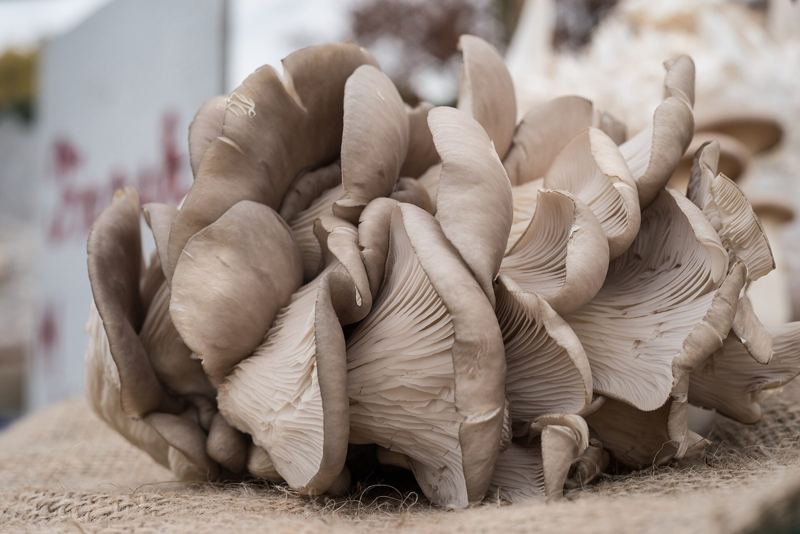
Three mushrooms in our guides fruit indoors: oyster, lion’s mane and shiitake. Cornell names all three as the species most commonly grown indoors or in controlled environments. The easiest way in is a kit that arrives already colonized, so you manage only humidity, fresh air and picking time. Figures come from extension sources, and where one trial stands alone we label it. Indoor growing also keeps you out of the weather, which suits small spaces and year-round projects, though each route still needs a steady spot at a sensible room temperature.
Indoor routes compared
| Mushroom | Indoor route | What our sources give |
|---|---|---|
| Oyster | Kit, bucket or bags | Bucket sits about 14 days at 65–75°F (Wisconsin); straw bags 2–3 weeks in the dark (UF) |
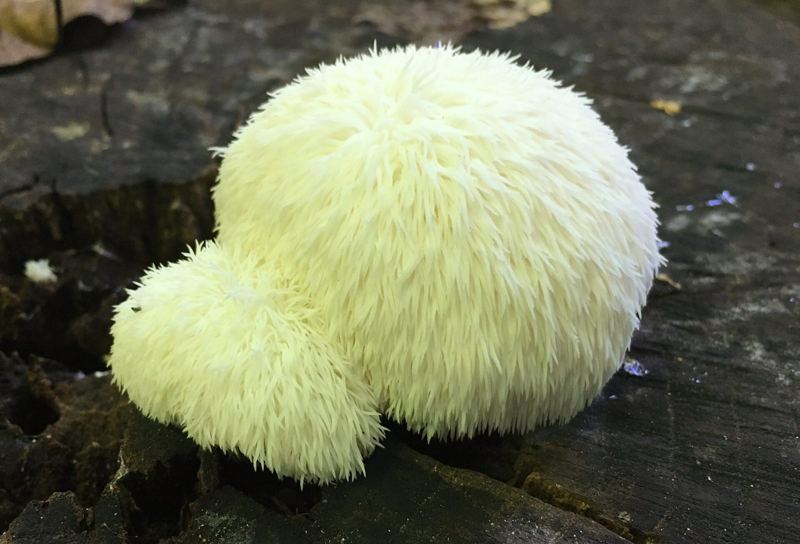
| Lion’s mane | Kit or sawdust block | 47 days in one Thai trial; no extension timeline |
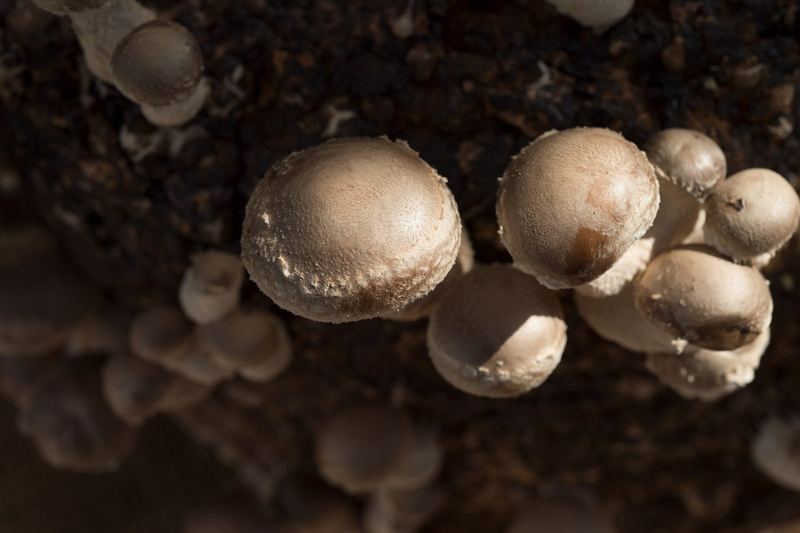
| Shiitake | Sawdust blocks | 4–5 weeks more incubation after full colonization (Cornell) |
What indoor mushrooms need
Every indoor route comes down to humidity plus fresh air. UF says oyster fruiting needs good air exchange so carbon dioxide does not build up, and Purdue calls fresh air exchanges a must for gourmet mushrooms. Keep water off lion’s mane, because Purdue says water trapped between the spines distorts it. Shiitake blocks have a temperature trap: below 55°F after week 4 or 5, Cornell says they fruit early and yields drop.
Kit or build your own
A kit starts at fruiting. Building your own means pasteurizing substrate and adding spawn, and Wisconsin’s bucket method packs wood chips and grain spawn into a 5-gallon bucket. Read mushroom grow kits, then spawn and substrate.
What our sources do not cover
We found no sourced retail shiitake kit, no lion’s mane flush count and no contamination signs specific to lion’s mane. UF’s blue, green, black or yellow spots are oyster guidance. See mushroom contamination.
How to choose
- First try? An oyster kit, then the beginner collection.
- Want a garden project instead? See outdoor mushrooms.
- Planning your calendar? Read how long mushrooms take to grow.
- Something not working? Check common mushroom growing mistakes.